The Tree Farm Clubhouse
The tree farm - clubhouse
Set within the sandy soils and rolling topography of Aiken, South Carolina, The Tree Farm reimagines the golf clubhouse as an extension of landscape and ritual rather than an object imposed upon it.

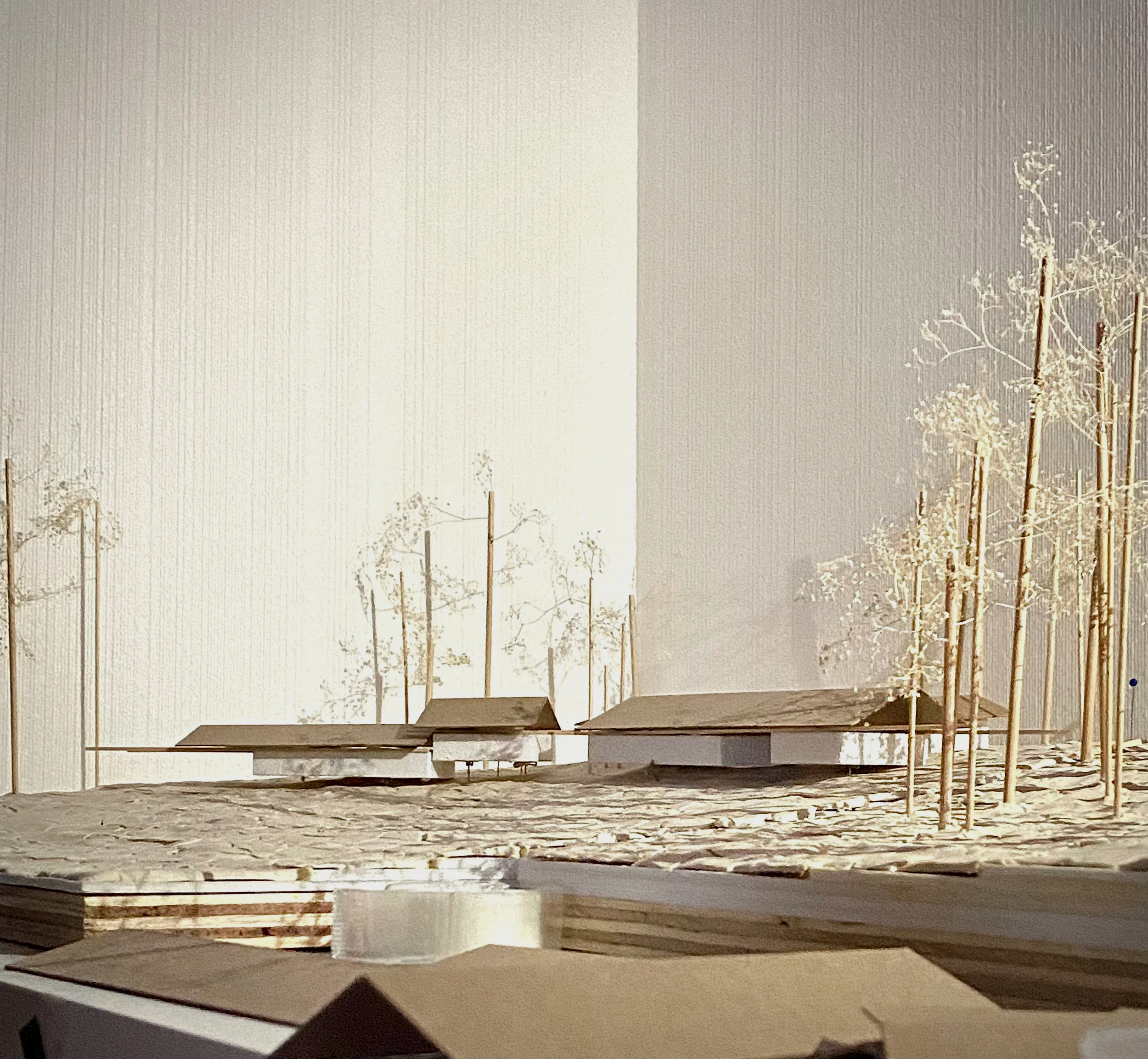

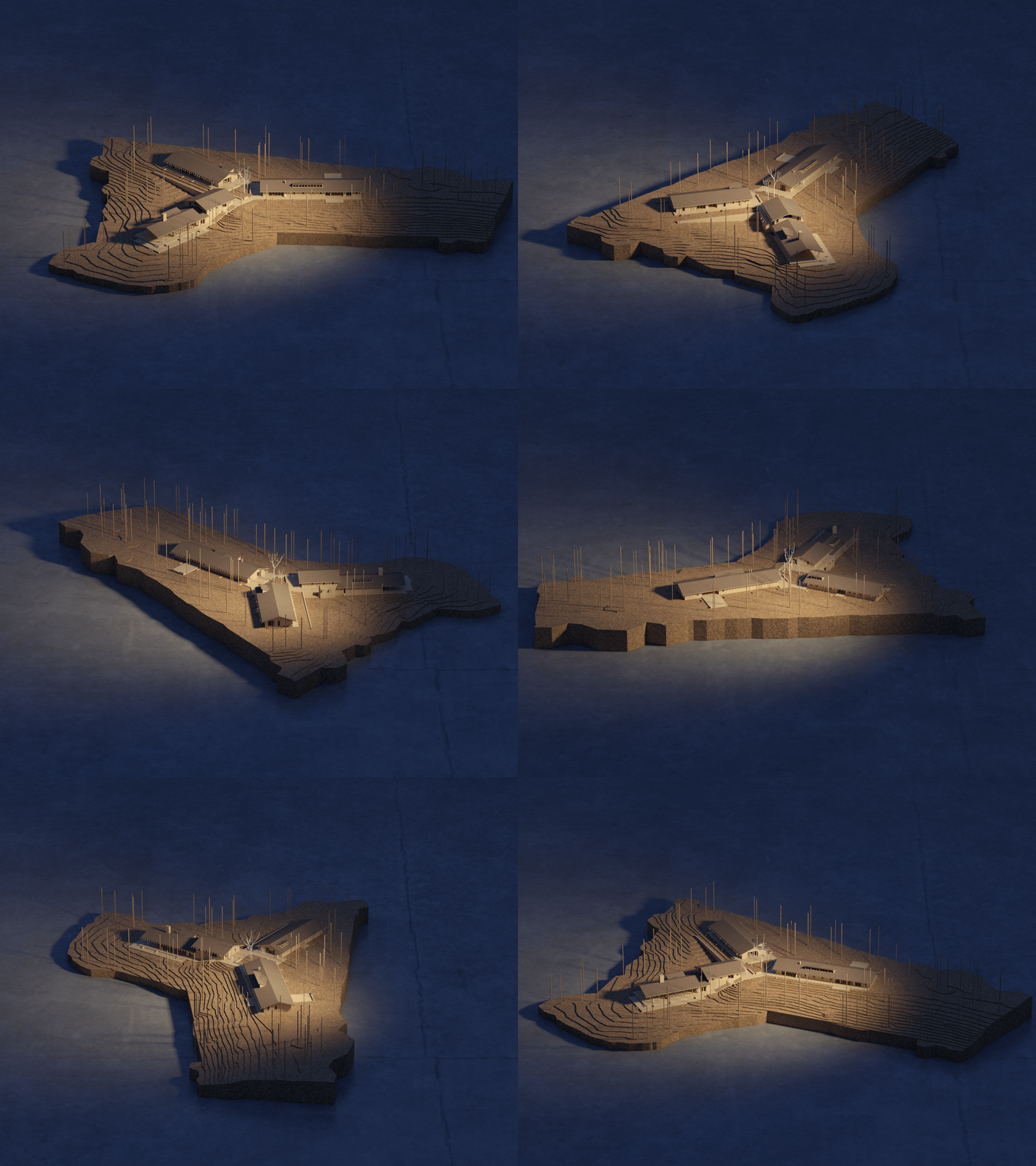
Sited along the central ridgeline, the clubhouse becomes the project's centerpiece—following the existing topography closely and stepping down the hillside to create a strong connection to the 1st tee and 18th green.
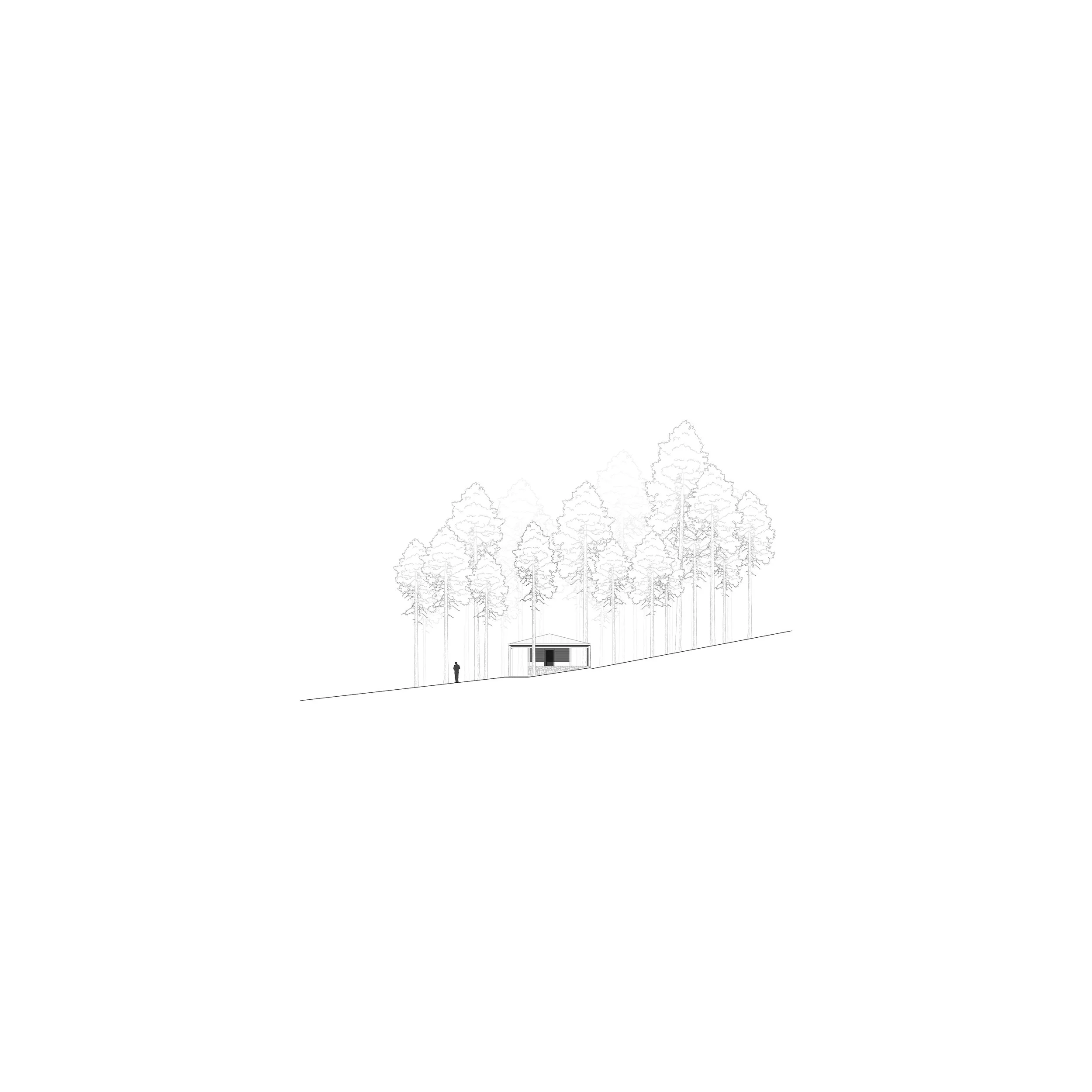
Partially embedded in the earth, the building invites visitors to discover it as they descend the outdoor staircase into a natural arena of golf holes. The architecture frames the rhythms of play, privileging proximity, anticipation, and shared experience over monumentality.


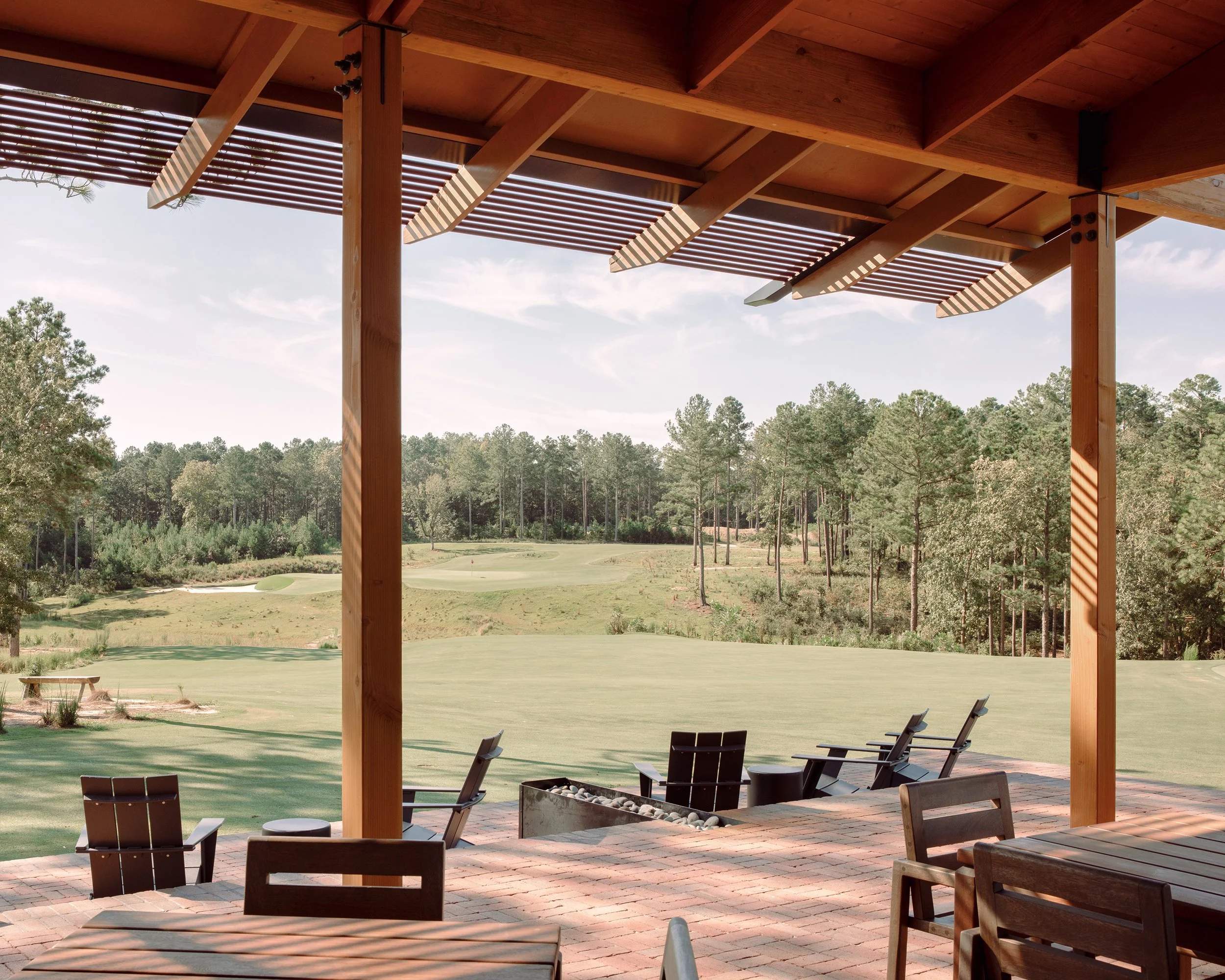
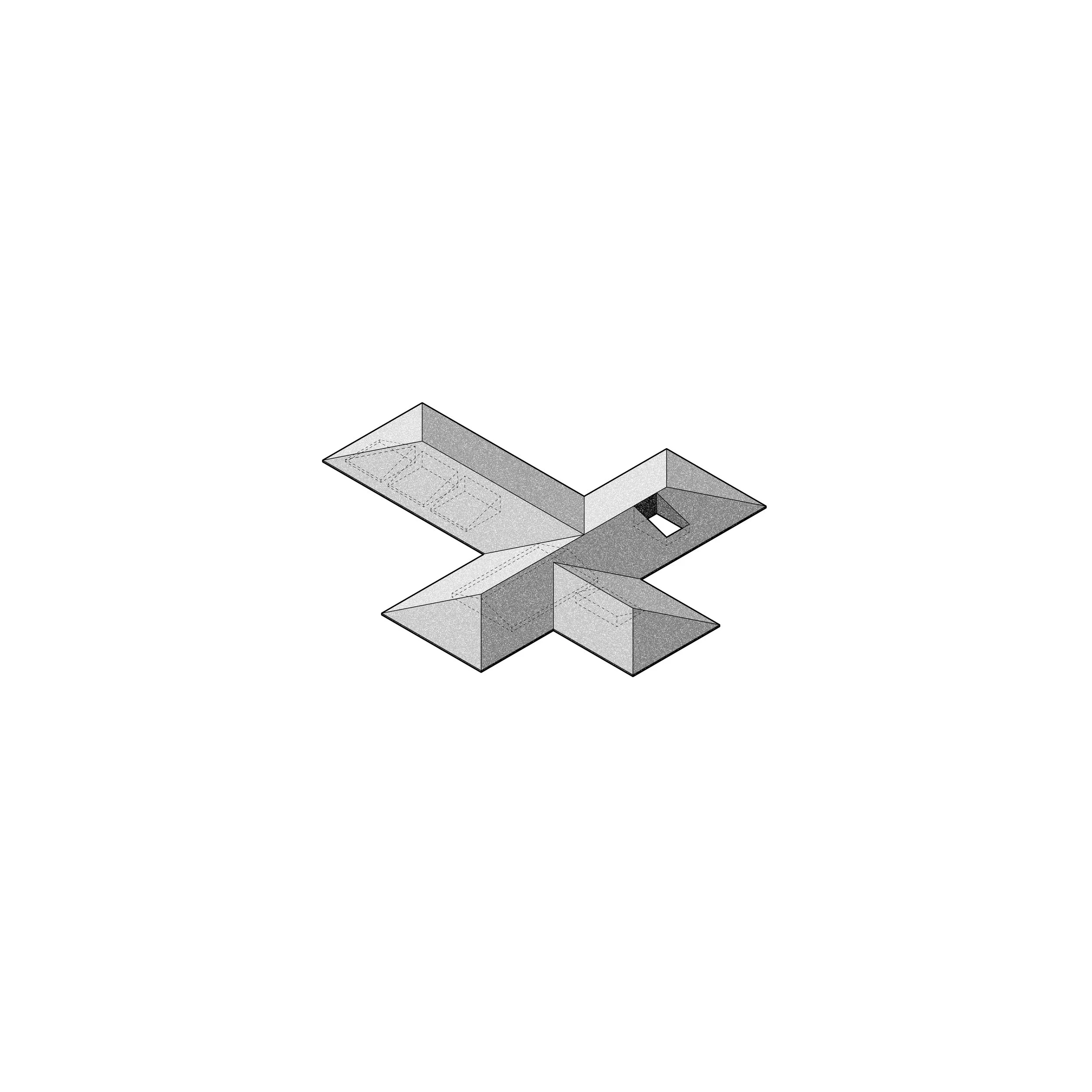
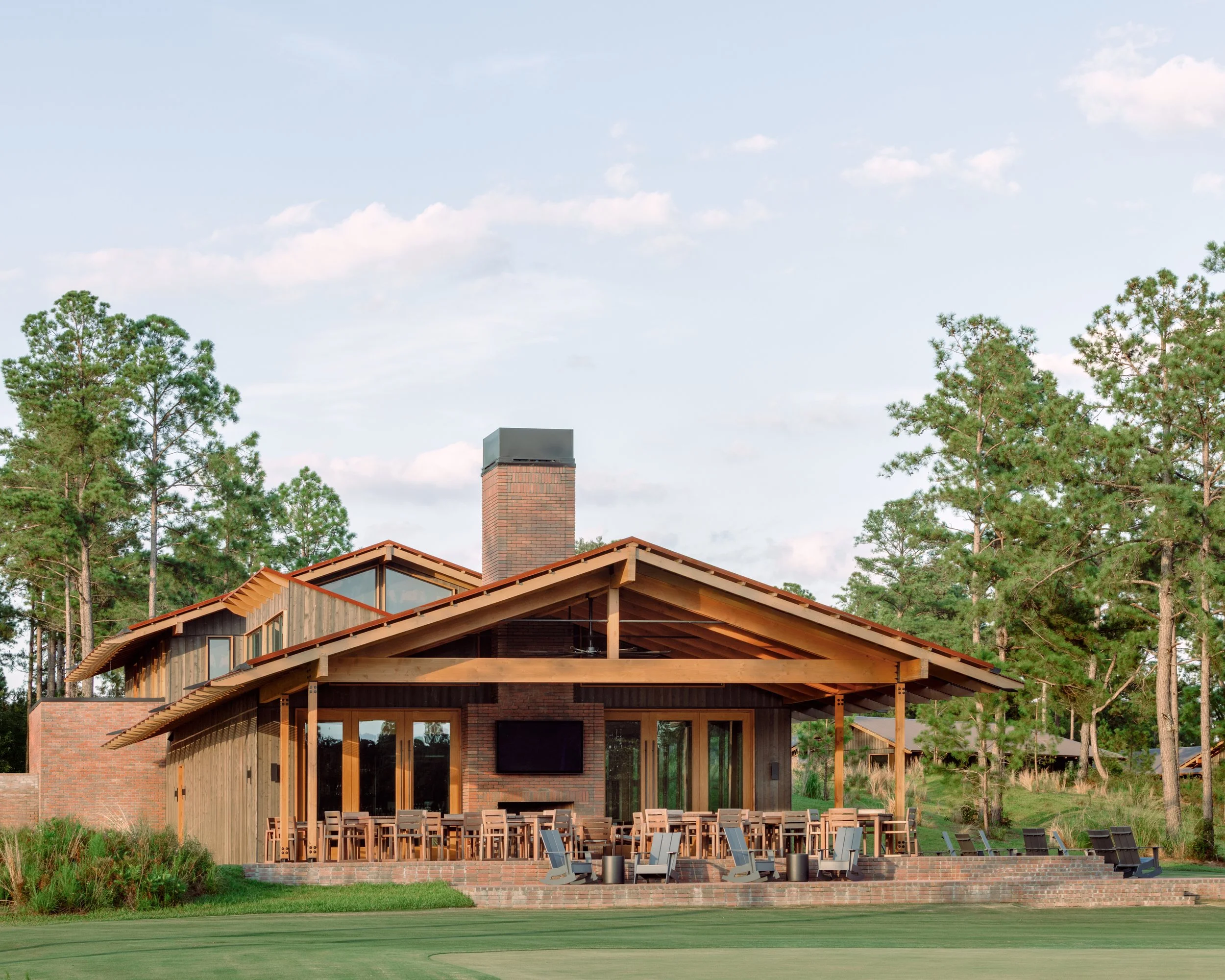
Elongated gables recall regional vernacular forms, while charred Shou Sugi Ban siding and brick walkways root the structure within a landscape shaped by past mining and continued controlled burns. Deep overhangs, exterior circulation, and operable glazing respond to the humid subtropical climate, encouraging cross-ventilation, shade, and seasonal adaptability.
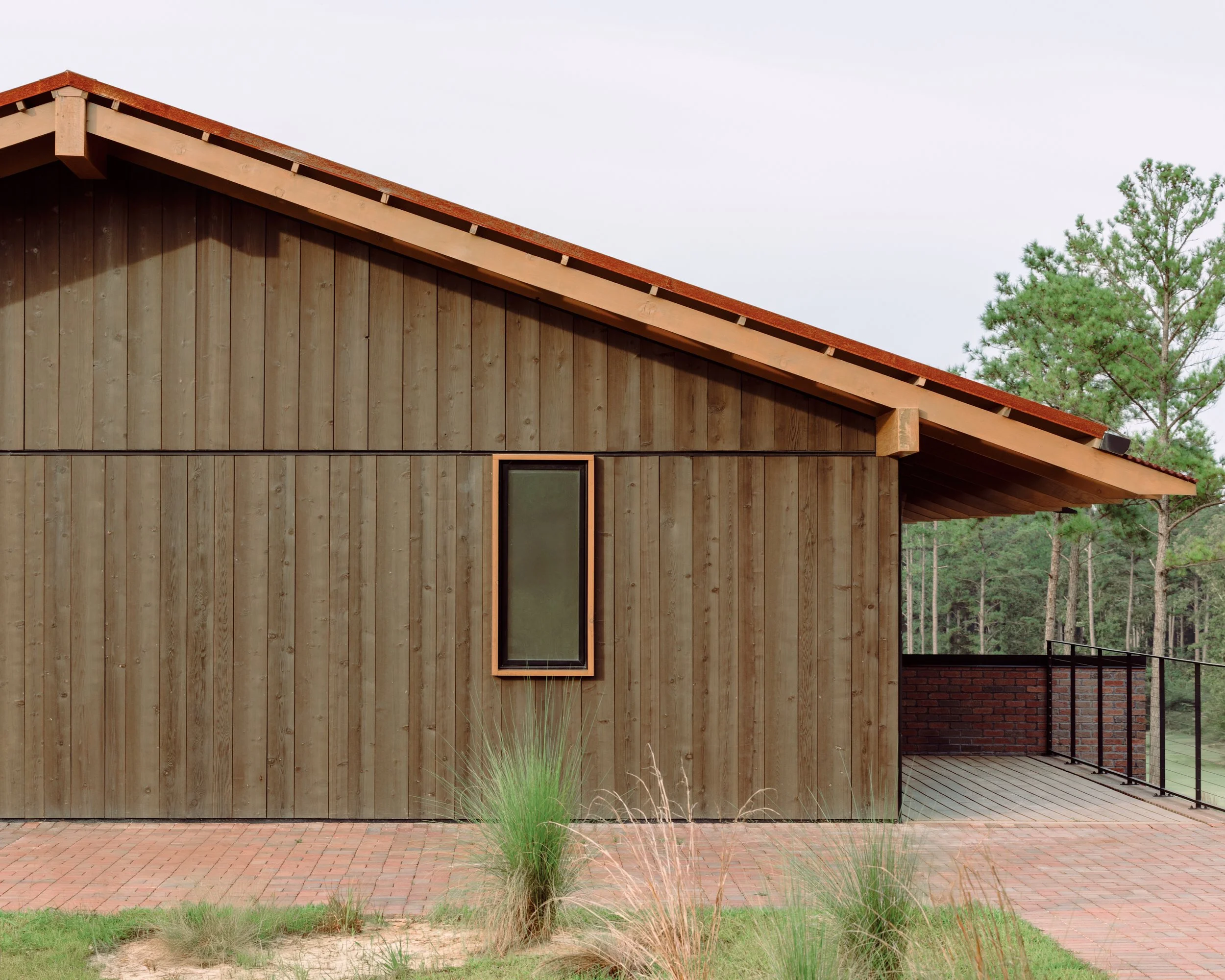
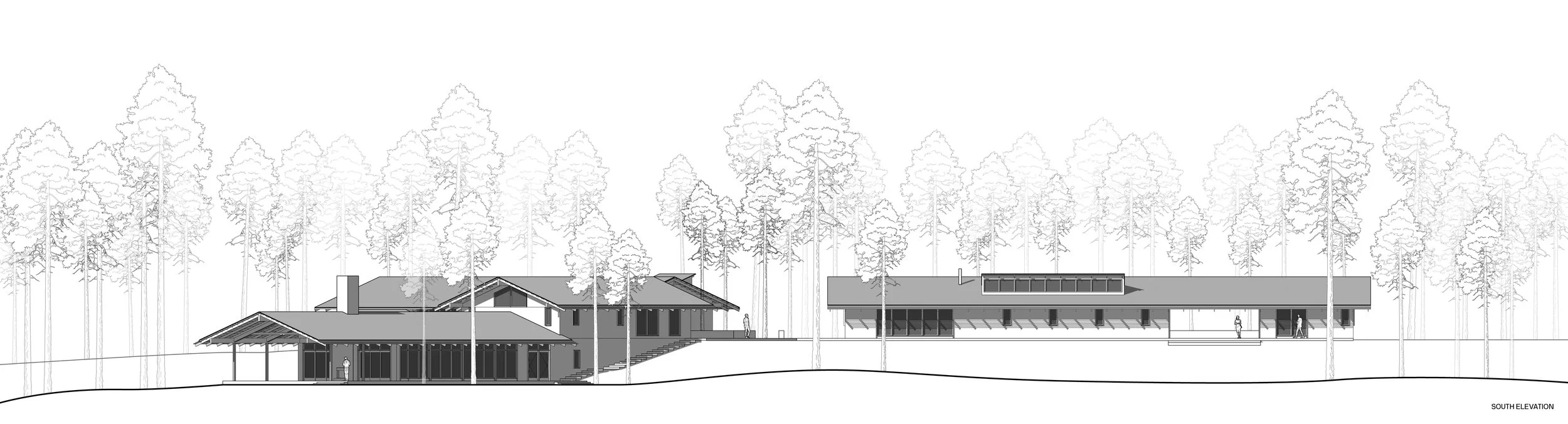
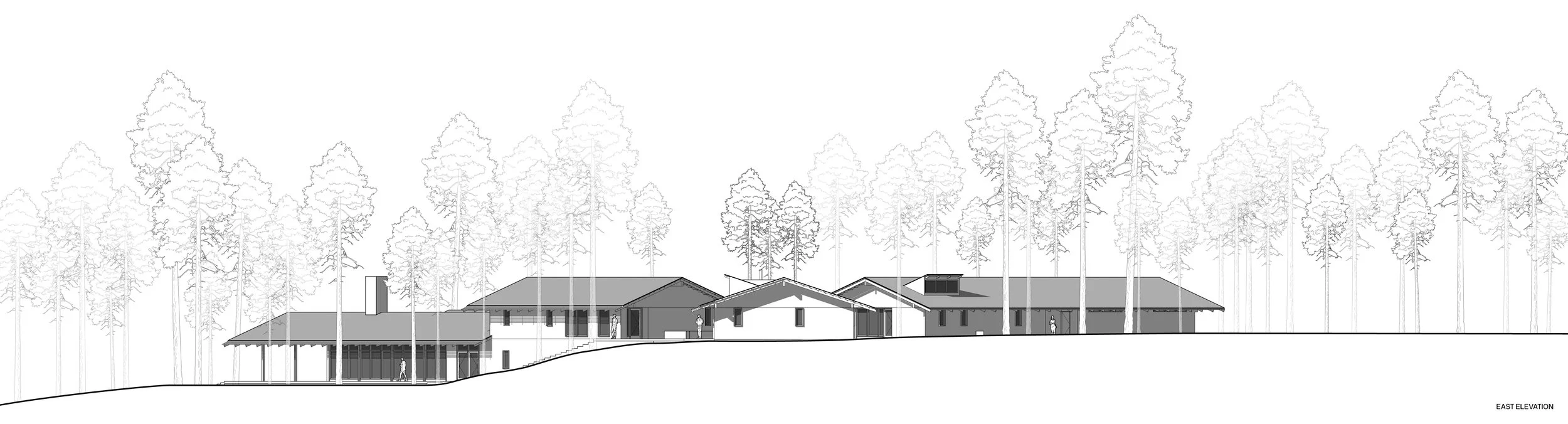
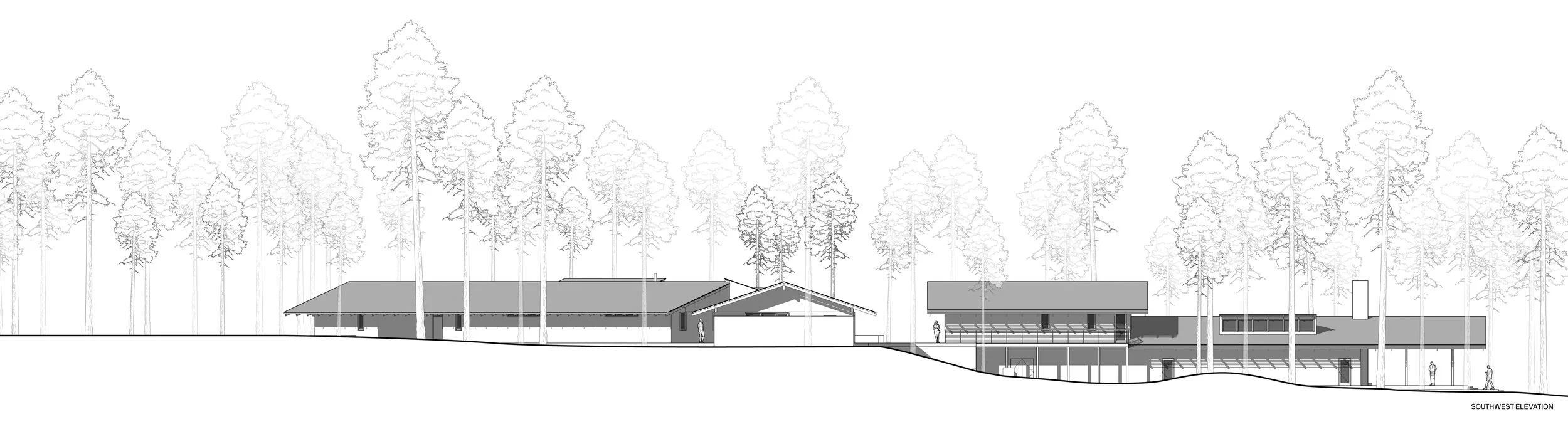
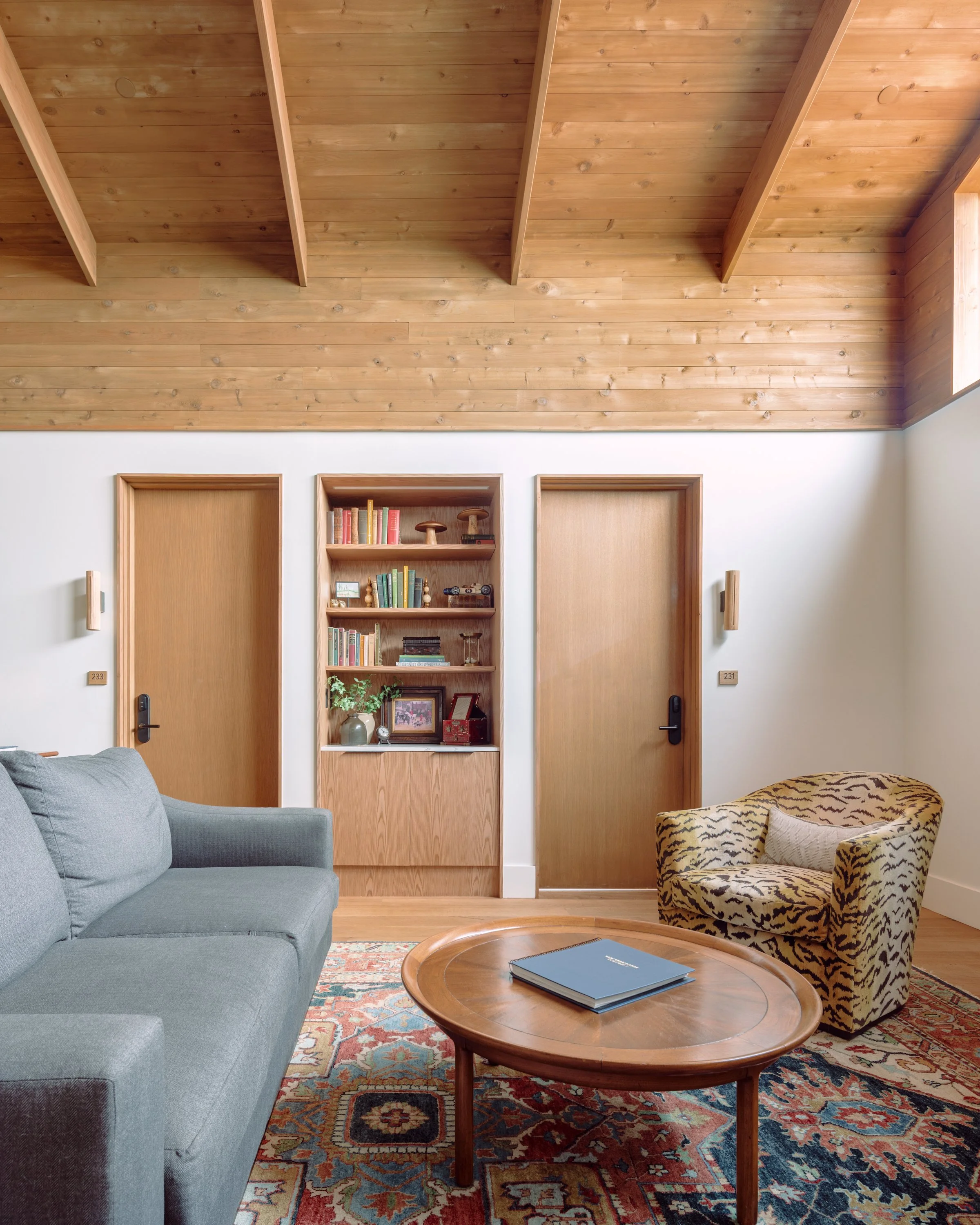


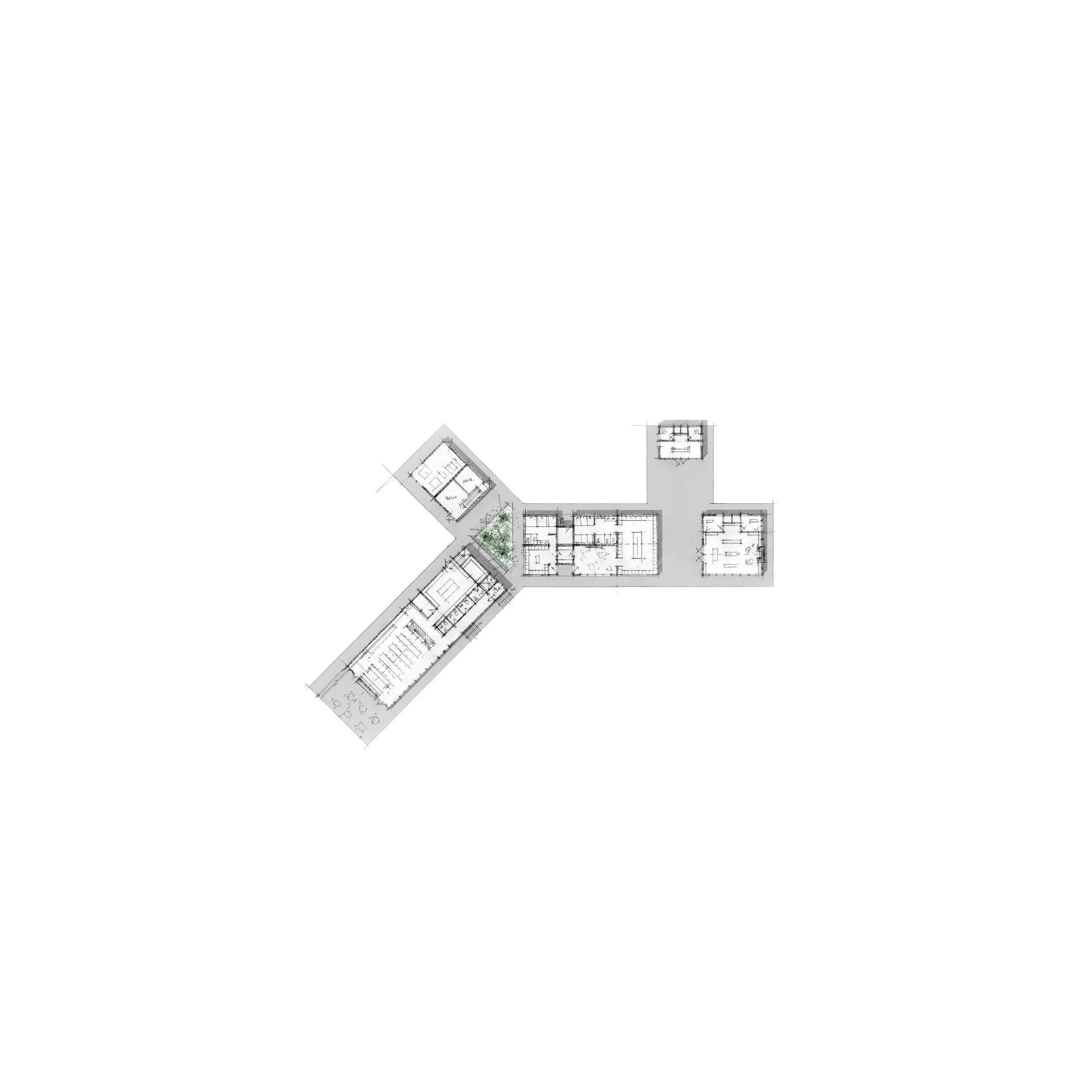
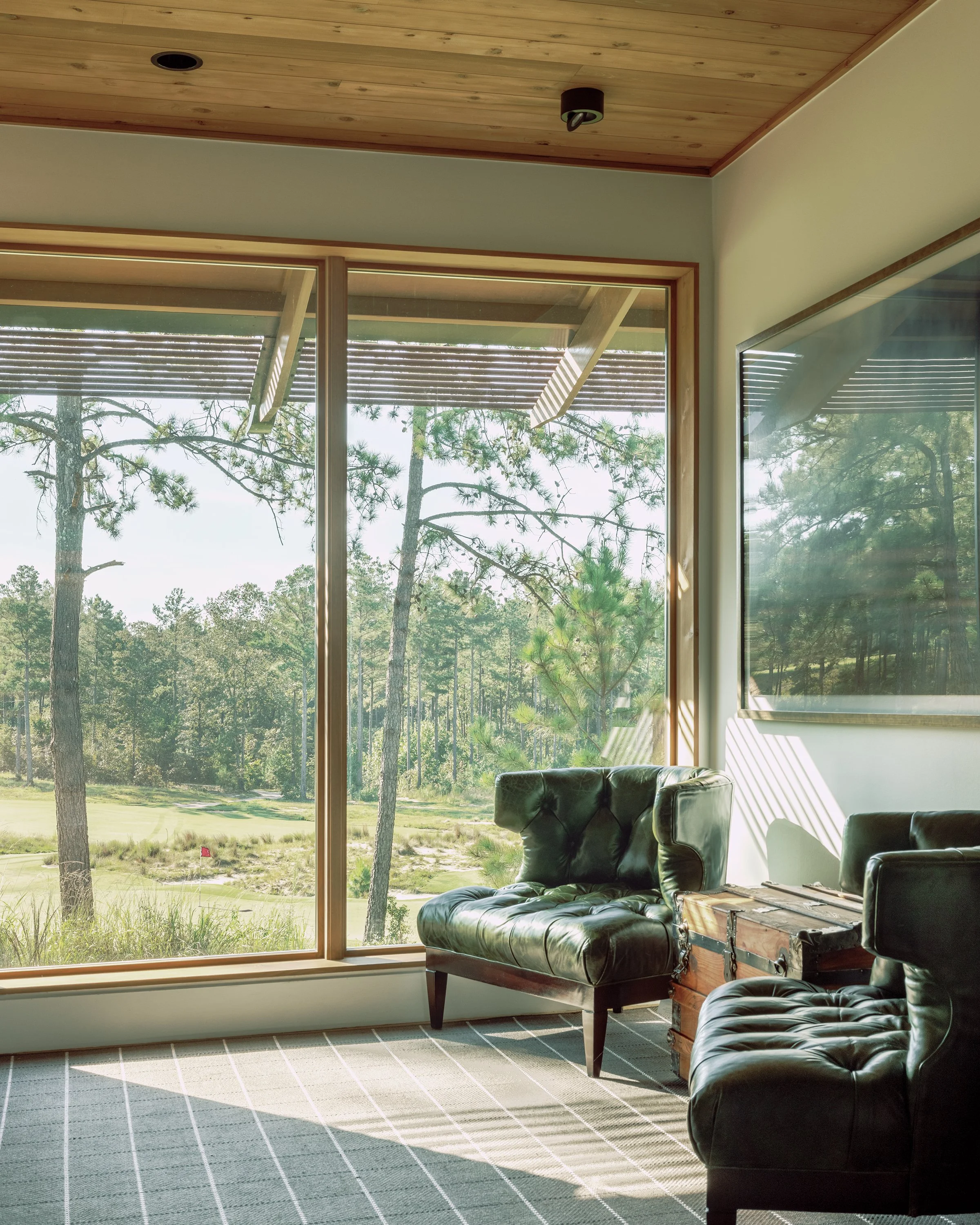
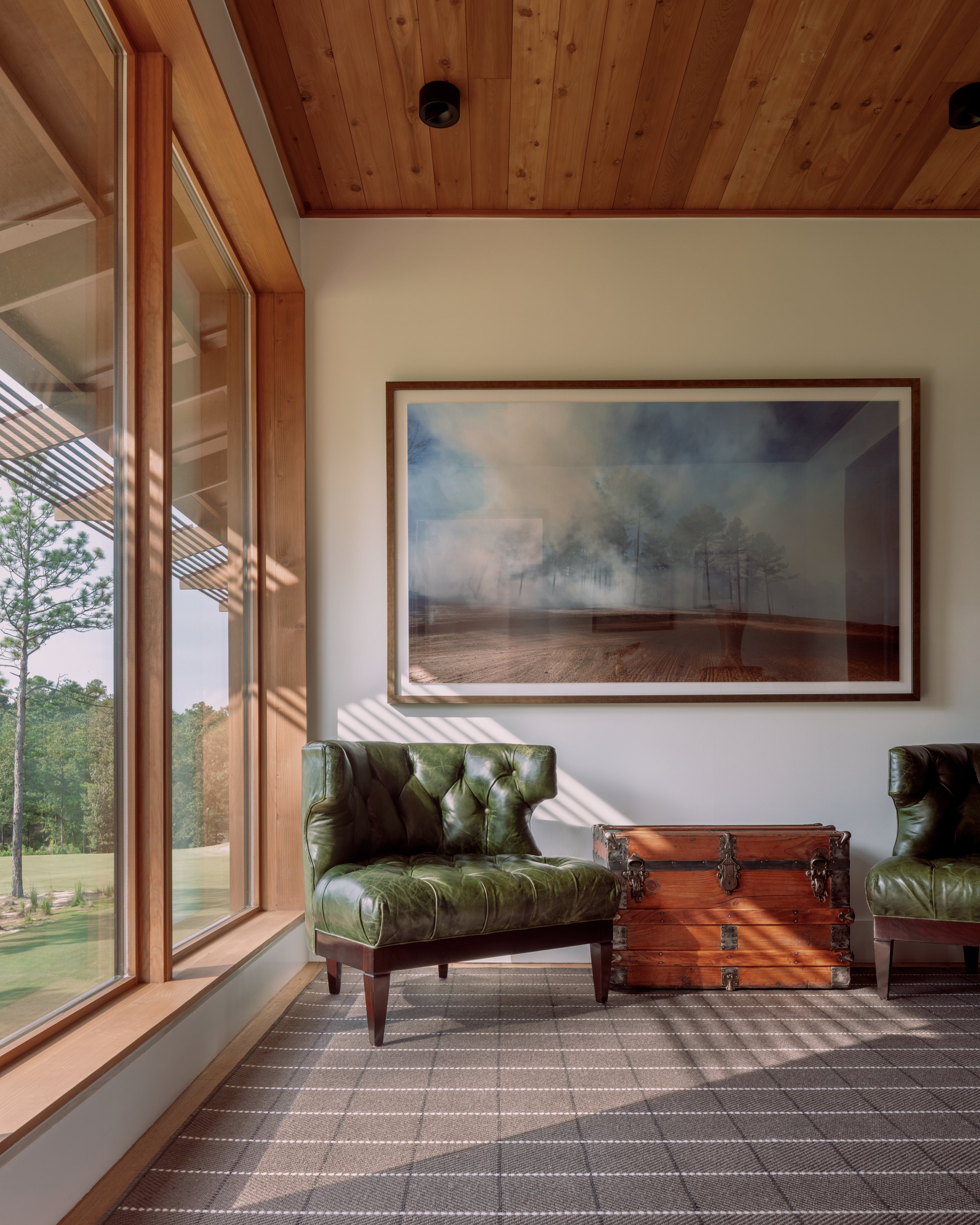
Interior spaces gather light and views beneath timber-framed vaults, creating intimate settings for dining and reflection. The gable-end patio sits steps from the putting green, 1st tee, 18th green, and driving range, serving as a social threshold where the rituals of the game unfold collectively.
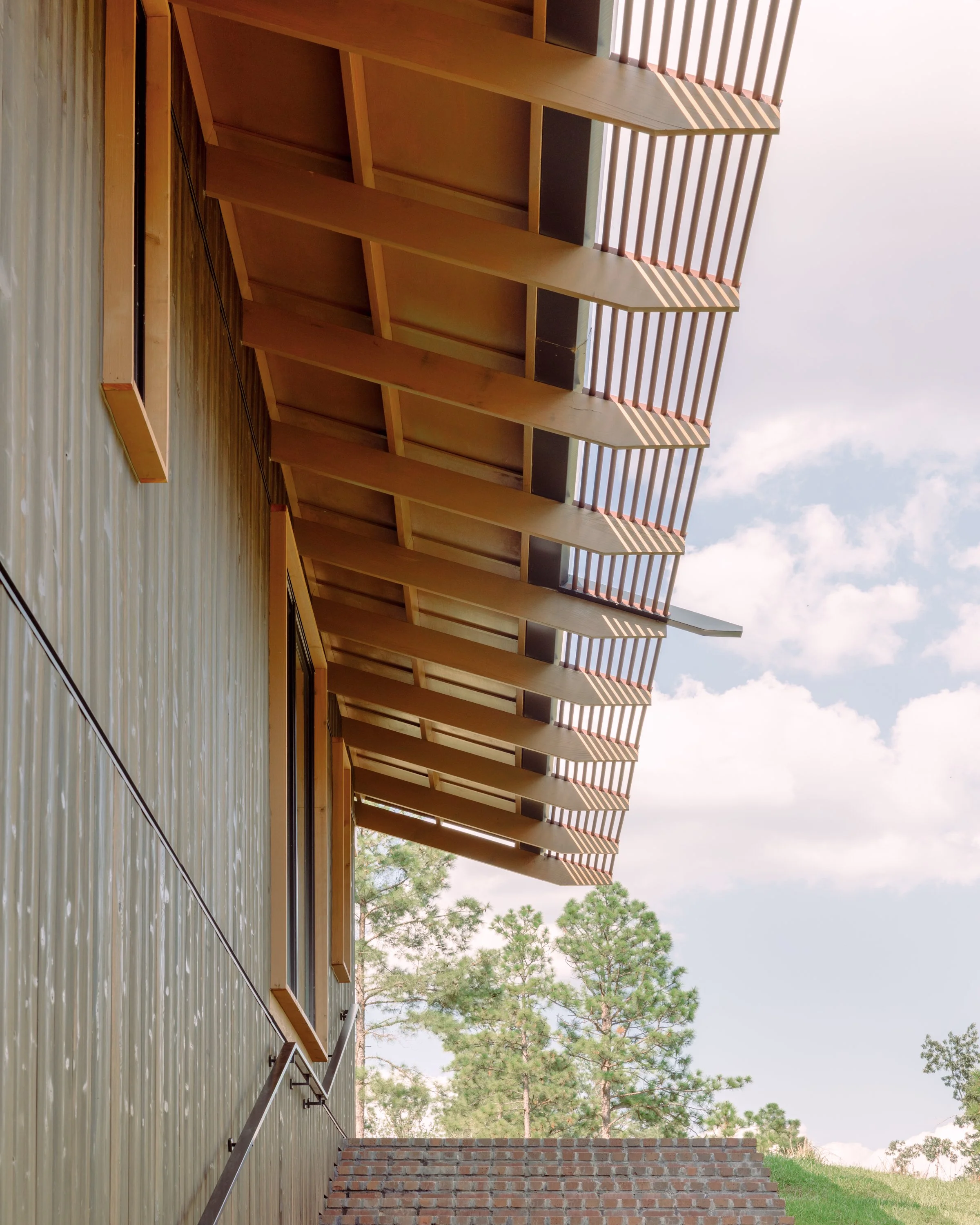
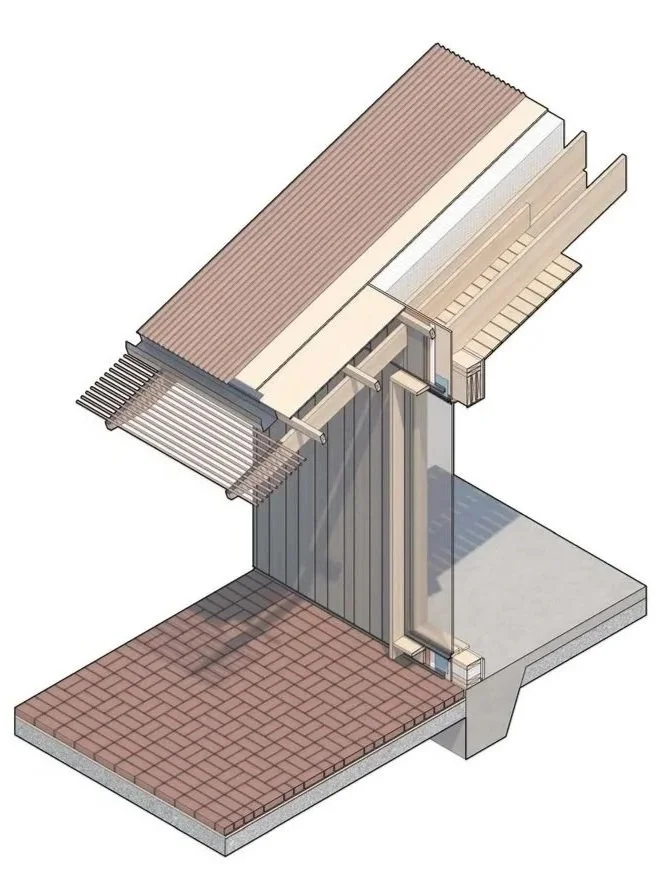
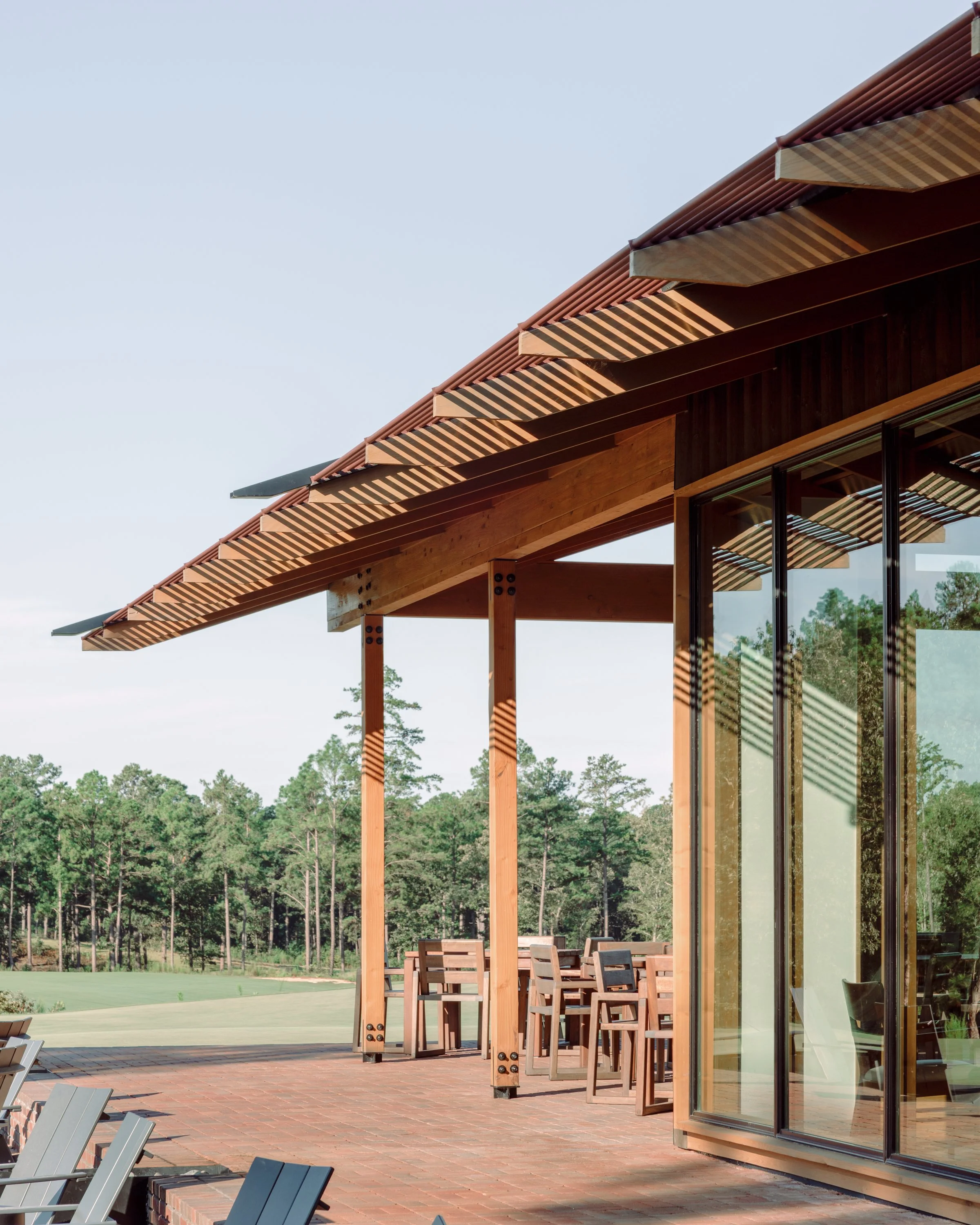
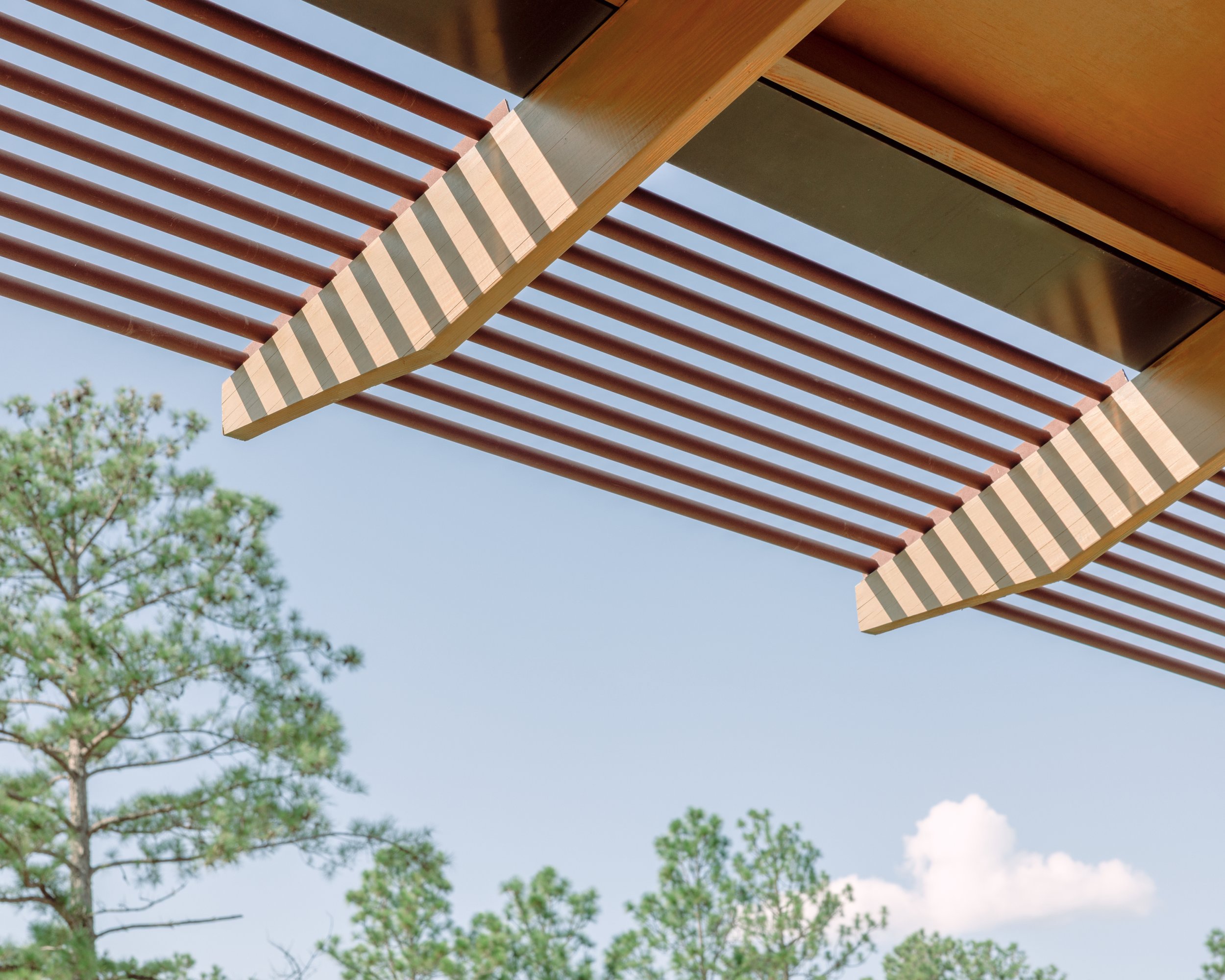
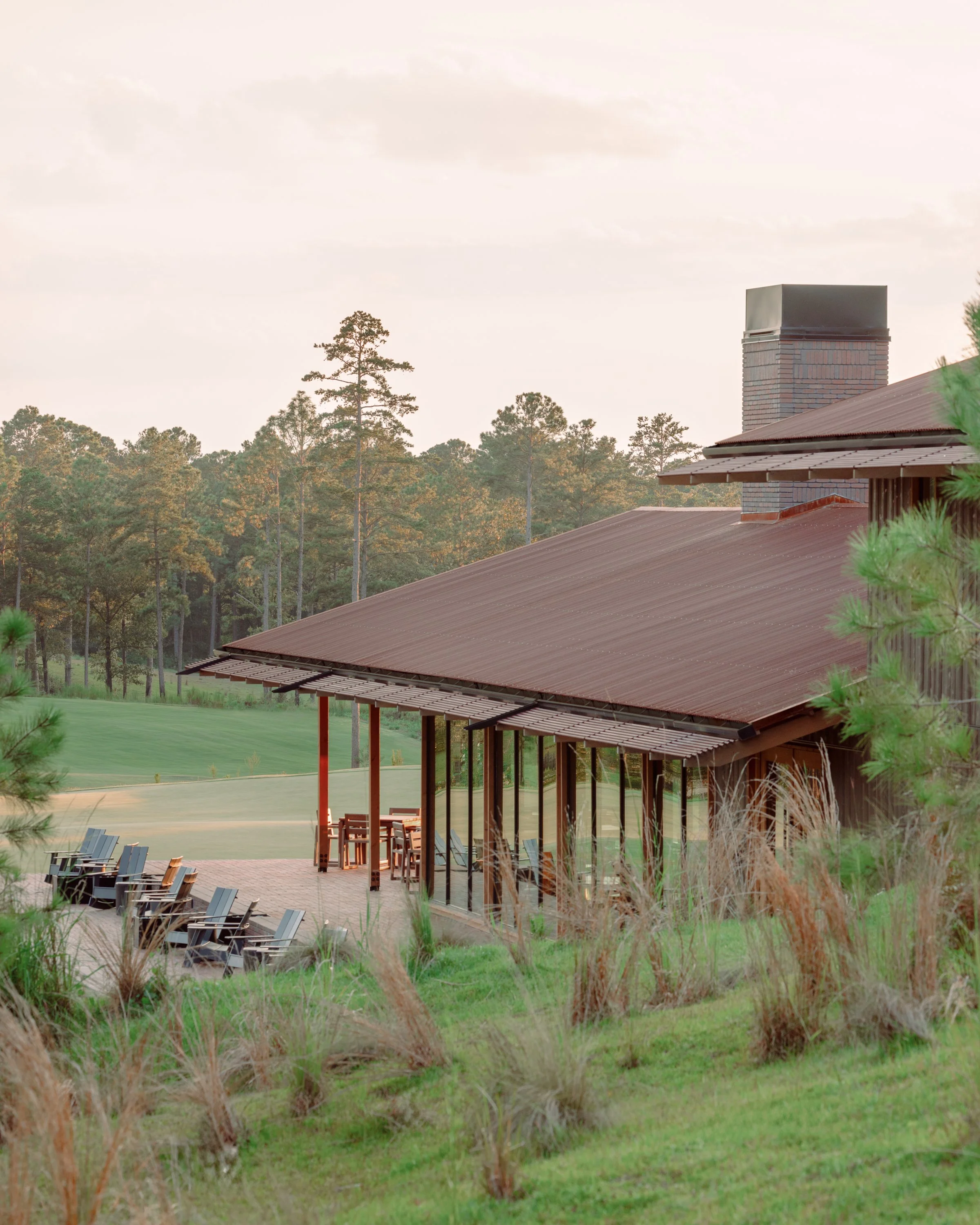
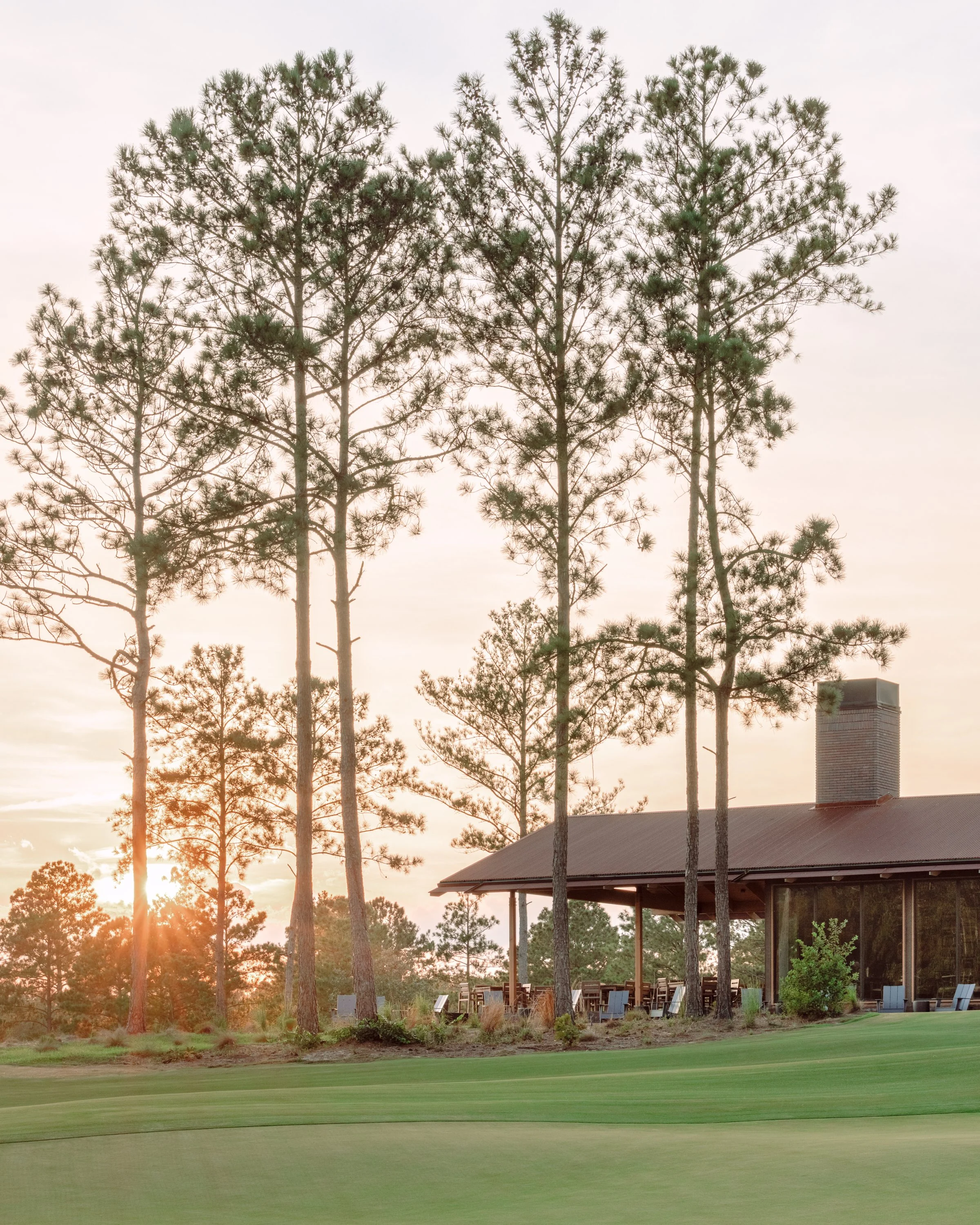
The Corten roof dissolves at the edge, creating a play of light and shadow similar to that found beneath the longleaf pine canopy. Durable, low-maintenance materials were selected to age with dignity, reducing long-term resource demands.




Rather than compete with its setting, The Tree Farm embeds itself within terrain, climate, and culture, demonstrating how contemporary architecture can shape meaningful communal experience through restraint, durability, and intentional connection to place.

-
Set within the sandy soils and rolling topography of Aiken, South Carolina, The Tree Farm reimagines the golf clubhouse as an extension of landscape and ritual rather than an object imposed upon it. Conceived as a destination national membership club, Phase One includes a 5,000-square-foot clubhouse and four eight-room cabins, each positioned within walking distance in order to cultivate a pedestrian culture.
Sited along the central ridgeline, the clubhouse becomes the project's centerpiece—following the existing topography closely and stepping down the hillside to create a strong connection to the 1st tee and 18th green. Partially embedded in the earth, the building invites visitors to discover it as they descend the outdoor staircase into a natural arena of golf holes. The architecture frames the rhythms of play, privileging proximity, anticipation, and shared experience over monumentality.
Elongated gables recall regional vernacular forms, while charred Shou Sugi Ban siding and brick walkways root the structure within a landscape shaped by past mining and continued controlled burns. Deep overhangs, exterior circulation, and operable glazing respond to the humid subtropical climate, encouraging cross-ventilation, shade, and seasonal adaptability. The Corten roof dissolves at the edge, creating a play of light and shadow similar to that found beneath the longleaf pine canopy. Durable, low-maintenance materials were selected to age with dignity, reducing long-term resource demands.
Interior spaces gather light and views beneath timber-framed vaults, creating intimate settings for dining and reflection. The gable-end patio sits steps from the putting green, 1st tee, 18th green, and driving range, serving as a social threshold where the rituals of the game unfold collectively.
Rather than compete with its setting, The Tree Farm embeds itself within terrain, climate, and culture, demonstrating how contemporary architecture can shape meaningful communal experience through restraint, durability, and intentional connection to place.
-
Executive Architect: Rivers Barden Architects
Structural and Civil Engineering: Cranston
Contractor: Barringer Construction
Photography: Leonid Furmansky